
When people look for a Cryptosteel alternative, it’s usually because they’re asking a fair question: is this really the best way to hold my seed phrase, or just the most famous?
This is a straight, honest comparison between Cryptosteel and Seed Keys. No hype. No favoritism. Just a clear look at how each product holds up under fire, water, impact, and the quiet realities of seed storage.
By the end, you’ll know what to look for in a metal backup, how these two compare on the points that matter, and which one fits your need to hold your recovery phrase for the long term.
What Is Cryptosteel?
Cryptosteel is a UK-based brand of metal seed phrase storage devices. Since its crowdfunding in 2015, it has been a respected name in Bitcoin custody.
Two products make up the lineup:
- The Capsule: a cylindrical tube.
- The Cassette: a flat, card-style case.
Both devices work the same way: To store your seed, arrange the tiles to spell each word. Slide them into the rails. Lock the device shut. The tiles stay in place until you open it again.
Seed Keys vs. Cryptosteel at a Glance
The three products serve the same goal. The path to get there differs. This table puts them side by side across the points that matter most.
|
Feature |
Seed Keys |
Capsule |
Cassette |
|---|---|---|---|
|
Material |
316L SS |
304 SS |
304 SS |
|
Heat Grade |
A* |
A |
B |
|
Corrosion Grade |
A* |
A |
A |
|
Crush Grade |
A* |
B |
D |
|
Capacity |
24 words |
24 words** |
24 words** |
|
Tamper-Evidence |
Yes |
Yes |
Yes |
|
Cost |
from $39 |
from $80 |
from $149 |
* Lopp tested Crypto Keys, a device of the same stamp-in form factor, not Seed Keys directly.
** Also accepts passphrases, passwords, and other data.
Comparing Cryptosteel and Seed Keys
This section goes deeper. Each factor gets a fair look at both products, so you can see where they genuinely differ and where one clearly wins.
Material and Durability
Cryptosteel uses AISI 304 stainless steel (SS) for both the Capsule and the Cassette. Seed Keys are cut from 316L SS, a marine-grade steel. All three resist fire, water, and impact.
Where they differ is at the margins. 316L adds molybdenum, which improves resistance to corrosion. For decades of storage in imperfect conditions, that margin matters.
Jameson Lopp’s stress tests put all three products under heat, acid, and a 20-ton press:
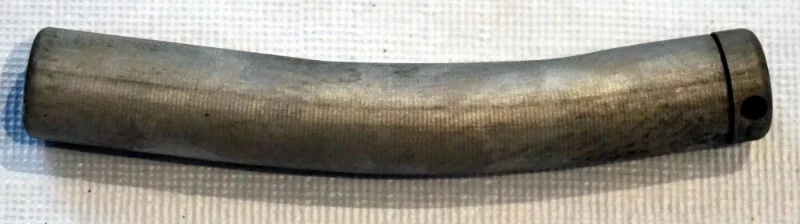
The Capsule held up well in heat, and corrosion was a non-issue. But the crush test exposed the design’s real weakness: The tube bent, and the device could no longer be unscrewed. Reading the seed meant cutting the tube open and carefully pulling the rod free, with the tiles at risk of falling off.
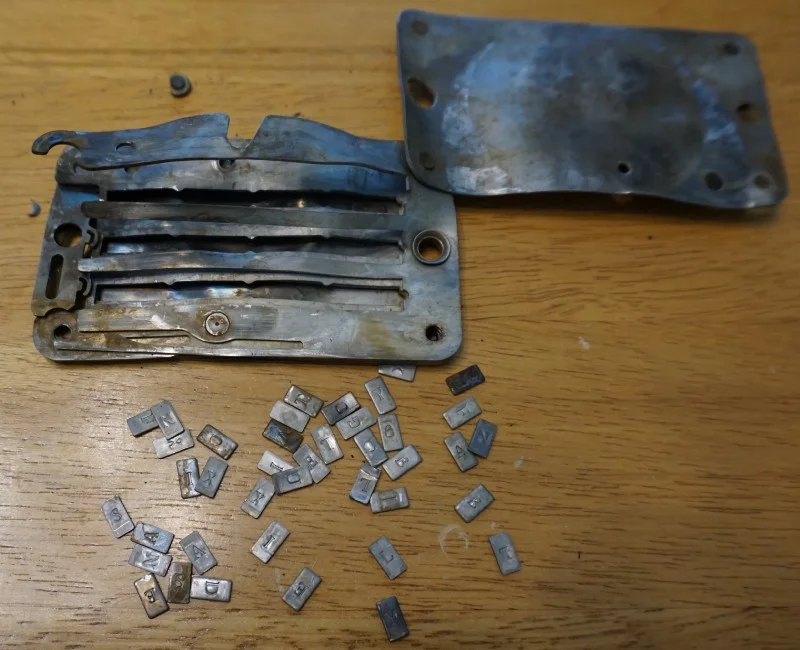
The Cassette survived heat with most letters seated. But some did fall out, resulting in a potentially catastrophic outcome, since any lost letter means a lost word. Acid left it unaffected. The crush test was the clearest result: rail-based devices are not robust under deformation, and even slight bending freed nearly all the letters.
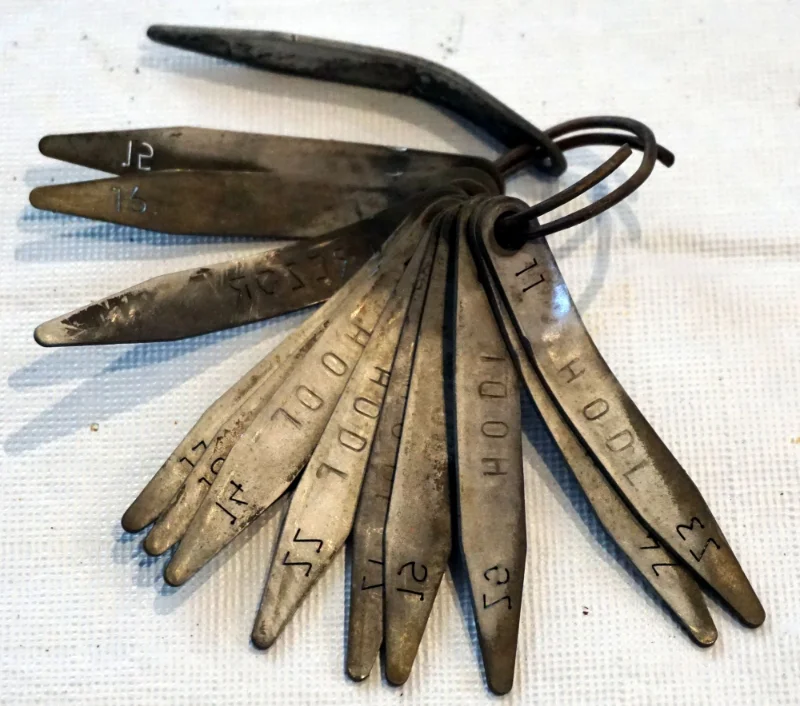
Seed Keys share a form factor with Crypto Keys, which Lopp also tested. The results were clean. No data loss in heat, corrosion, or crush. The steel pieces bent under pressure, but the seed only fails if a piece is completely torn apart or lost.
Both of Cryptosteel’s devices beat long-term hazards like fire and water. But they both put your seed at risk when the body is deformed. For a backup meant to outlast you, Seed Keys has the more trustworthy failure mode.
Capacity and Compatibility
All three devices handle up to 24 seed words from the BIP39 word list, using only the first four letters of each word. That’s the standard used by nearly every hardware wallet. They’re also compatible with BIP44 and SLIP39 standards.
Beyond a seed, the Capsule and Cassette can store arbitrary data like passwords, passphrases, or raw keys.
Ease of Use
Both setups take time, 20 to 30 minutes for a 12-word seed, but for different reasons.
Seed Keys are stamped, so recording a seed means finding and placing a punch, then striking it with a hammer. Every mistake is permanent. But you can use the included stamping jig to keep the letters aligned and ensure readability.
Cryptosteel is assembled, so you hunt through loose letter tiles and slide them into rails. This approach is more forgiving, as you can remove and rearrange a mis-slotted letter without consequence.
When it comes to recovery, both Seed Keys and Cryptosteel Cassette are easy to verify at a glance. But the Capsule, as Lopp also noted, is “fairly annoying” to read back because of the orientation and spacing of the tiles.
Both backups are easy to dispose of (as they carry traces of your past transactions). Seed Keys come apart into individual stamped keys. Cryptosteel disassembles into its letter tiles.
But they differ on reusability.
Cryptosteel is the only reusable option: undo the tiles, rearrange them, and the device is ready for a new seed. That makes it the better choice if you expect to change seeds.
Discretion and Tamper-Evidence
Some metal backups display the seed words on a visible face. That’s not the case with any product here. Whatever any of them holds, it stays hidden until you open it.
In plain sight, the Cryptosteel devices do not carry a logo. But neither is truly anonymous: the form is distinctive enough that a knowing eye can recognize it. And both are bulky for storage.
Seed Keys is smaller and far easier to conceal. Its design doesn’t announce itself as a seed vault. But it’s not an ordinary key ring either; it reads as an engineered artifact. The brand on the first key adds one more clue.
So they’re best combined with proper physical security.
All three products are tamper-evident.
Seed Keys come with nylon cable ties, acting as seals, and a Mylar bag (the original, unmarked packaging). Cryptosteel comes with a PSW-97 security seal. Open the bag, or break the seal, and you know the backup has been accessed.
Cost
Price is where the value case becomes concrete.
Seed Keys starts at $39 for the Backup Keys. From there, get the letter punch included for $49 with the Single-Sig set or the Multi-Sig set for $99. A hammer is all you need.
Cryptosteel sits higher at every level. The Capsule is $80, or $250 for a 2-of-3 setup. The Cassette is $149, with no standard unified multisig option.
FAQ
Is Seed Keys better than Cryptosteel?
It depends on what you prioritize.
Seed Keys wins on durability, since your seed is stamped permanently into 316L steel. It also costs less and covers multisig for less.
Cryptosteel wins on reusability and a larger capacity for passwords or passphrases.
Can I use Seed Keys instead of Cryptosteel?
Yes. Your seed comes from your wallet, not from the storage device. Whether you already own a Cryptosteel or not, you can stamp the same words you already use, so nothing about your wallet changes. There is no need to create a new wallet or move any coins.
What if I make a mistake while stamping?
If the mistake is minor and the word stays legible, re-stamp the correct letter over it. If the stamping makes the word illegible or could be confused with another word, order a new set. Individual replacement keys are not sold separately.
Conclusion
Cryptosteel has earned its place. It has a long, proven track record and a trusted name in self-custody.
But independent stress testing by Lopp shows its tile-based designs are vulnerable when their body is deformed. Combined with a higher price, it can be a real trade-off for some holders.
That’s what makes Seed Keys a serious Cryptosteel alternative. It records your seed permanently into 316L steel, so the letters cannot wear away. Tamper-evidence comes standard; it’s smaller and easier to conceal, and it costs less at every level.
For a set-and-forget backup of your recovery phrase, explore Seed Keys storage options.