
Before hardware wallets and seed phrases became the default, there was an entire world of physical bitcoin: cryptographic key pairs stamped onto physical objects. The Keyois Capsule was an ambitious take on that idea.
This article takes a closer look at what it was, how it worked, and how it performed under stress testing. Most importantly, it weighs the trust compromises of a pre-assembled key pair against the security of stamping your own keys.
This article is part of a series on historical backup devices. The SteelDisk review covers another example of the same kind.
Presentation
The Keyois Capsule was a striking, jewelry-like key-pair storage device launched in 2017. It shipped with a public address and secret key laser-engraved onto two tungsten rings.
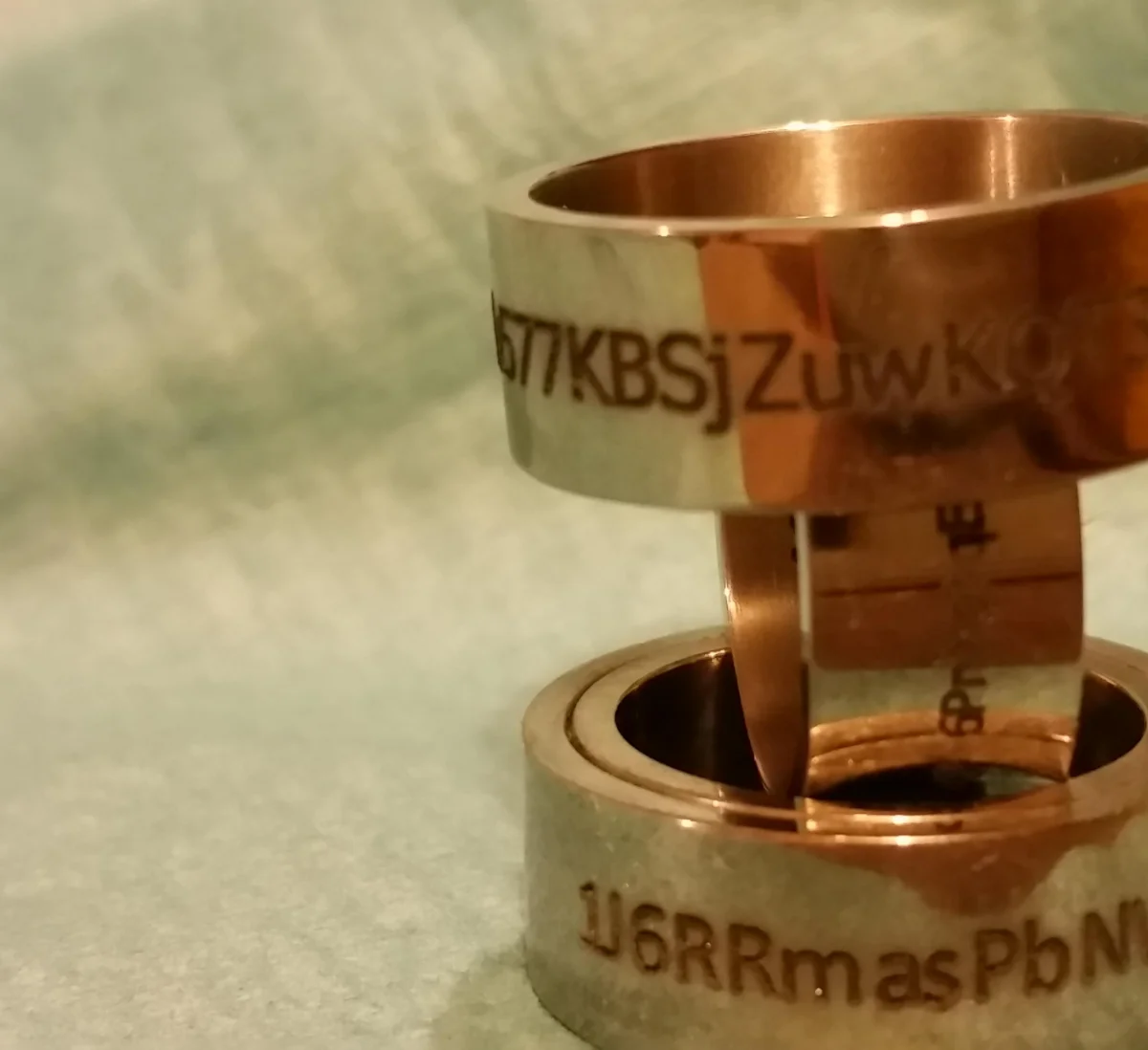
Those rings were then sealed together and encased inside an airtight, polished, aircraft-grade aluminum capsule. In the middle sat a decorative centerpiece of the buyer’s choice, like ruby, sapphire, quartz, or a gold tube. Some editions even considered a tritium vial that would glow for years.
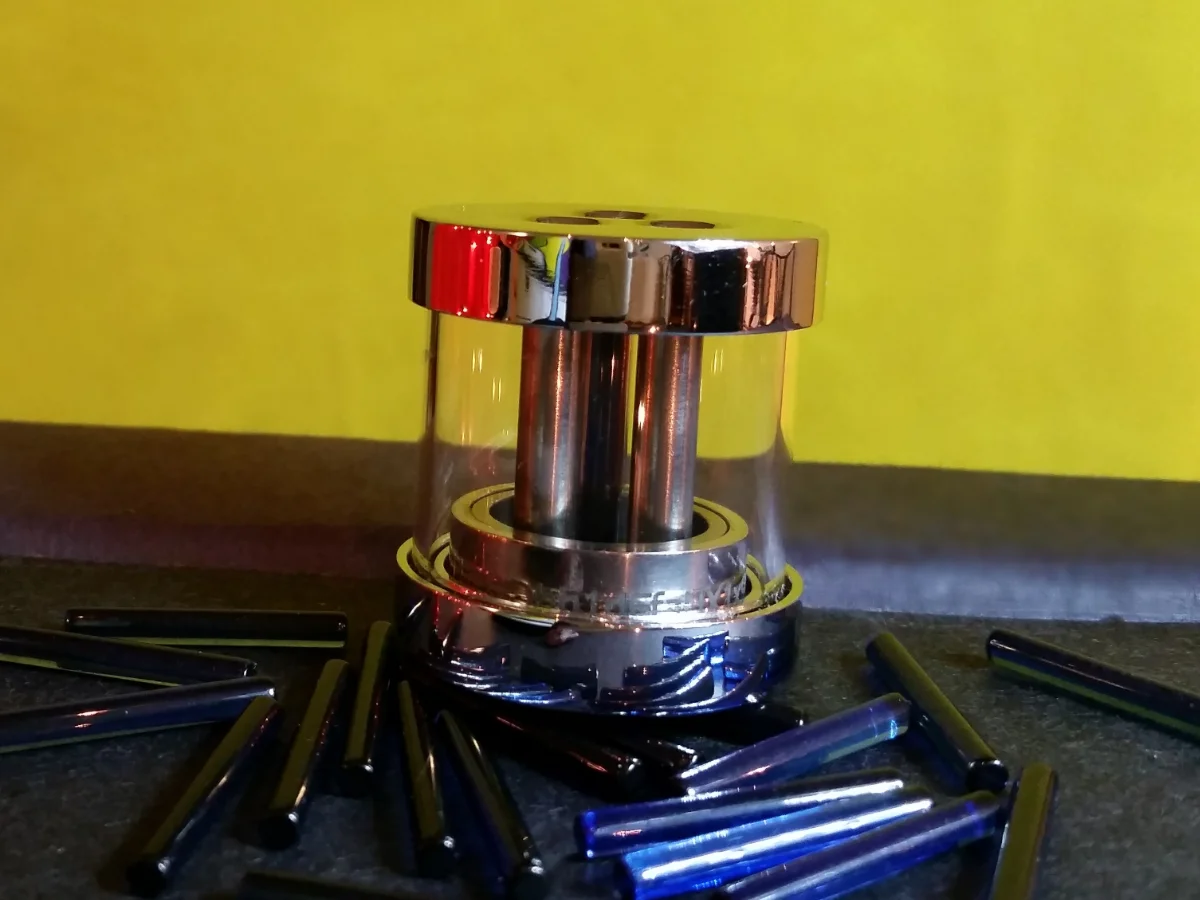
The idea was simple: take the concept of a paper wallet and make it both visible and destructively secure.
A public address was laser-engraved onto the outer ring, so anyone could read it and send funds without ever opening the device. The inner ring held the secret key, fixed inside the larger ring with high-strength epoxy. To reach that secret data, you’d have to destroy the capsule and forcibly separate the rings, which is what made it tamper-evident.
It was engineered to survive the things that ruin ordinary cold storage. The screw threads were secured with high-temperature threadlocker, and the screw heads were drilled out. It was flooded with CO₂ before sealing to displace the oxygen.
The pieces were even glazed with a holographic paint so the whole thing glittered in sunlight. It stood apart from the plain steel plates more common in the space.
But there was a catch: to avoid trusting the maker, the buyer had to generate their own key themselves and submit it as a BIP38-encrypted secret key. Otherwise, the maker held a copy of the private key and could spend the funds sent to that address.
There was another limit. The capsule held a single key pair for a single address. Send more than once, and you reused that address, connecting your payments on-chain and weakening privacy.
Keyois Reviews
Jameson Lopp tested the Keyois Capsule in his series of metal Bitcoin storage reviews. His findings are brief, because the device’s unusual design left little to configure.
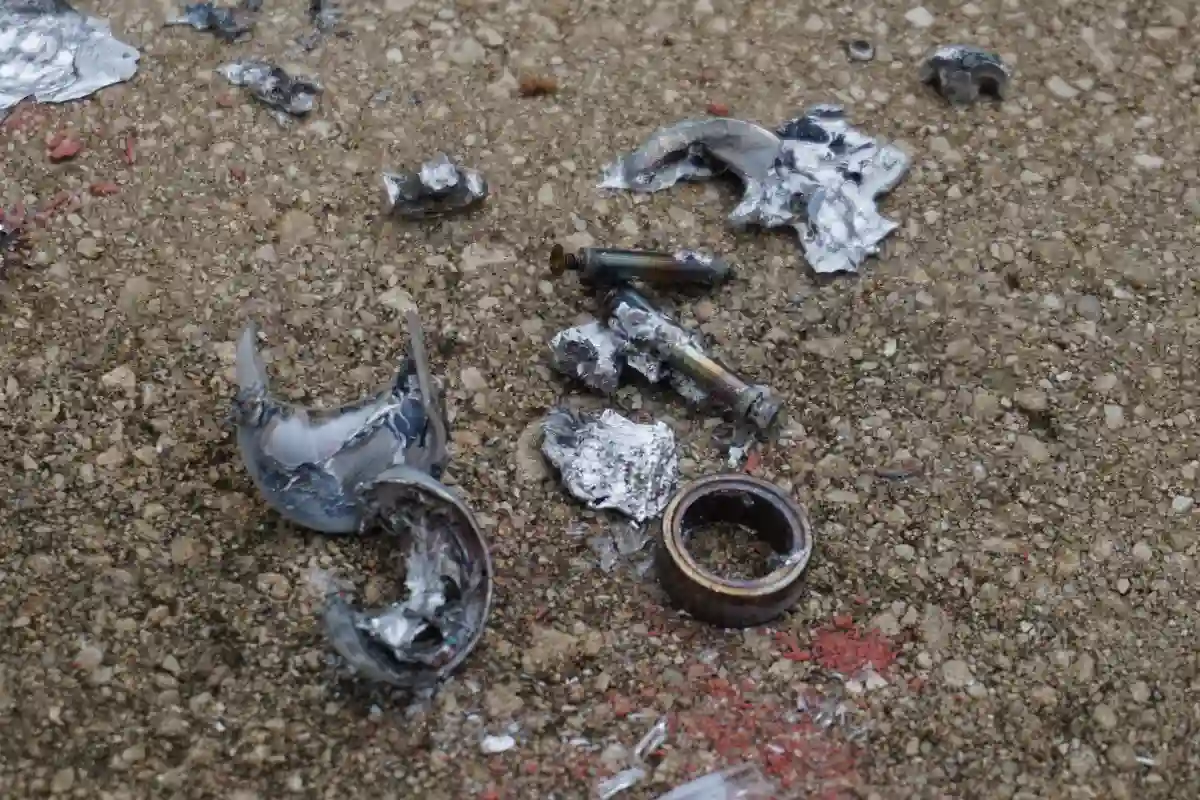
Under extreme heat, most of the capsule quickly melted. But the two tungsten rings, holding the key pair, remained intact. Lopp noted they were hard to read because the metal is dark, yet the engraving stayed legible.
Corrosion testing left the device legible too, with no data lost. And crushing produced no deformation and no data loss.
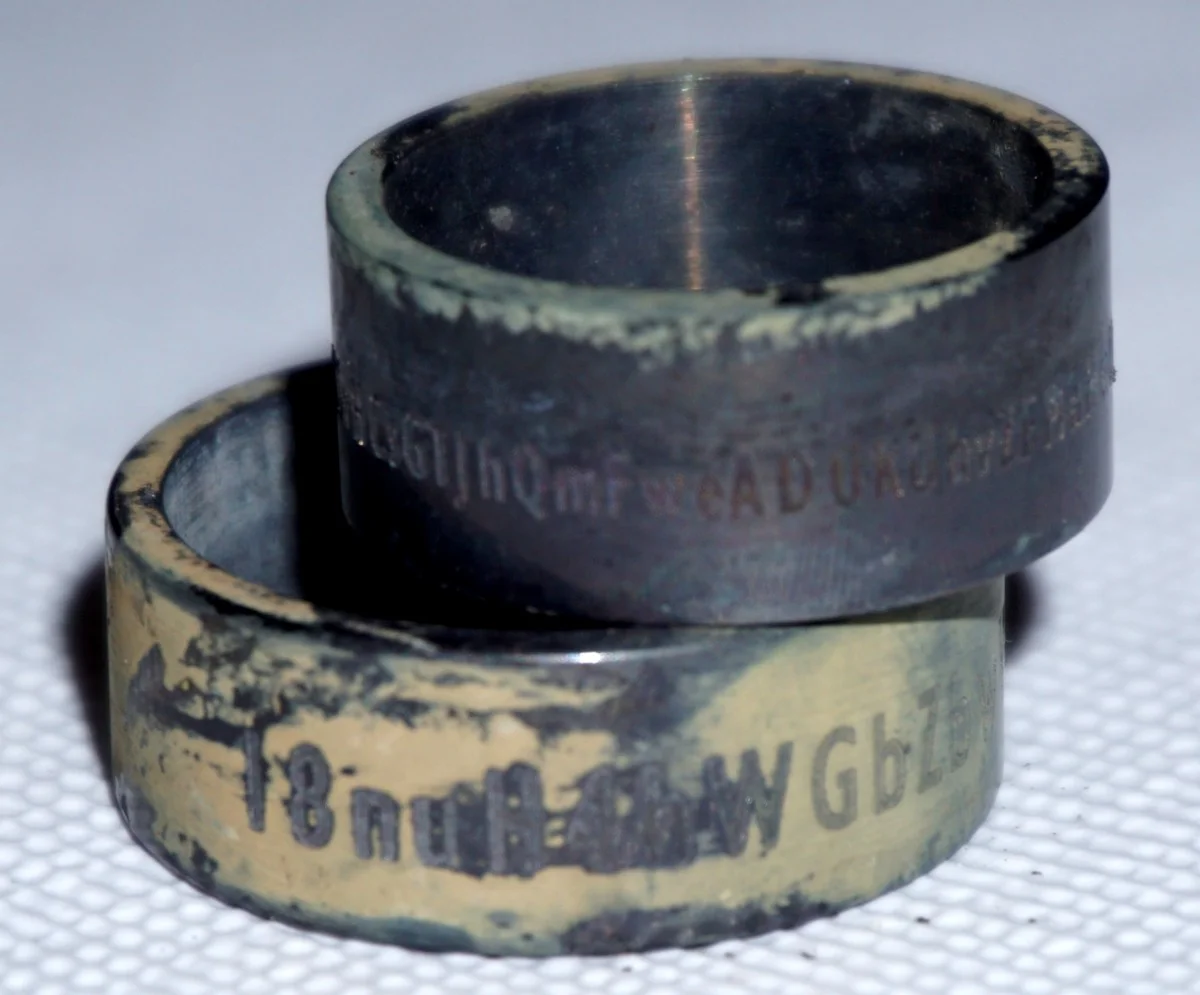
The core idea held up where it counted. The tungsten rings survived heat, corrosion, and crushing, and the engraved keys stayed readable long after the capsule itself failed.
But it’s worth restating the tradeoff: durability doesn’t help if the maker holds the key they generated. Physical resilience is the easy half. Key generation and provenance are the hard half. With a pre-assembled device, those could be out of your hands.
A Secure Alternative: Seed Keys
The Keyois Capsule leaves a single point of failure: trust in a third party who saw your key. Seed Keys removes that entirely. The difference comes down to who controls key generation. With Seed Keys, you stamp your seed phrase yourself.
Seed Keys products use 1.5 mm thick, 316L stainless steel that withstands fire, water, and corrosion. A set stores up to 24 words from the BIP39 list, stamped as the first four letters of each word.
With a seed phrase, you can generate a new address every time to receive coins. That solves the single-address limit the Keyois Capsule could not.
The design is tamper-evident as well. A sturdy ring and cable ties secure the keys in place, giving clear indication if anyone attempts to access them.
On durability, Seed Keys is proven, too. Lopp’s review of Crypto Keys, a similar device, showed it withstood heat, corrosion, and crush stress tests with minimal damage and no data loss.
Conclusion
The Keyois Capsule was an ambitious idea, wrapping a key pair in tungsten, glass, and aircraft-grade aluminum. It held up in Lopp’s stress tests: the rings survived heat, corrosion, and crushing, and the keys stayed legible throughout.
But the real weakness was trust. The capsule shipped a key pair generated by a third party, which put the funds at risk before they ever reached metal. The buyer could escape that by generating their own BIP38-encrypted key, yet the design left the maker as the default point of failure. On top of that, a single address meant every transaction was a reuse, a quiet privacy cost.
Seed Keys addresses both problems directly. You generate and stamp the recovery phrase yourself, so no third party ever touches the key. It uses 316L stainless steel built to survive fire, water, and corrosion. And a seed phrase can derive a fresh address for every transaction, eliminating the single-address trap.
For real holdings, control over key generation matters more than any material.